Why Alloy Rims Are the Ultimate Choice for Rugged Adventure and Touring
When planning an expedition through demanding terrain—whether you are tackling remote tracks in Timor-Leste or navigating washboard outback trails—your choice of wheels can make or break the journey. While carbon fiber dominates lightweight racing headlines, high-grade alloy rims remain the gold standard for adventure cycling, bikepacking, and heavy-duty touring. Because aluminum alloys possess a lower modulus of elasticity compared to carbon composites, alloy rims naturally offer superior vertical compliance, allowing them to flex and absorb high-frequency chatter without sacrificing lateral stiffness or structural integrity.
1. Resilience Over Repair: The Realities of Impact
In remote regions far from the nearest bike shop, reliability is everything. Carbon rims are exceptionally stiff and light, but when subjected to a heavy, high-energy impact against a sharp rock under a loaded touring rig, they tend to catastrophically fracture. Alloy rims, on the other hand, absorb heavy impacts by denting or deforming rather than shattering. Even if you take a hard hit on a rough descent, a well-built alloy rim can often be trued or gently hammered back into shape enough to keep rolling to the next town.
2. Built for Heavy Loads, Natural Compliance, and Modern Volume
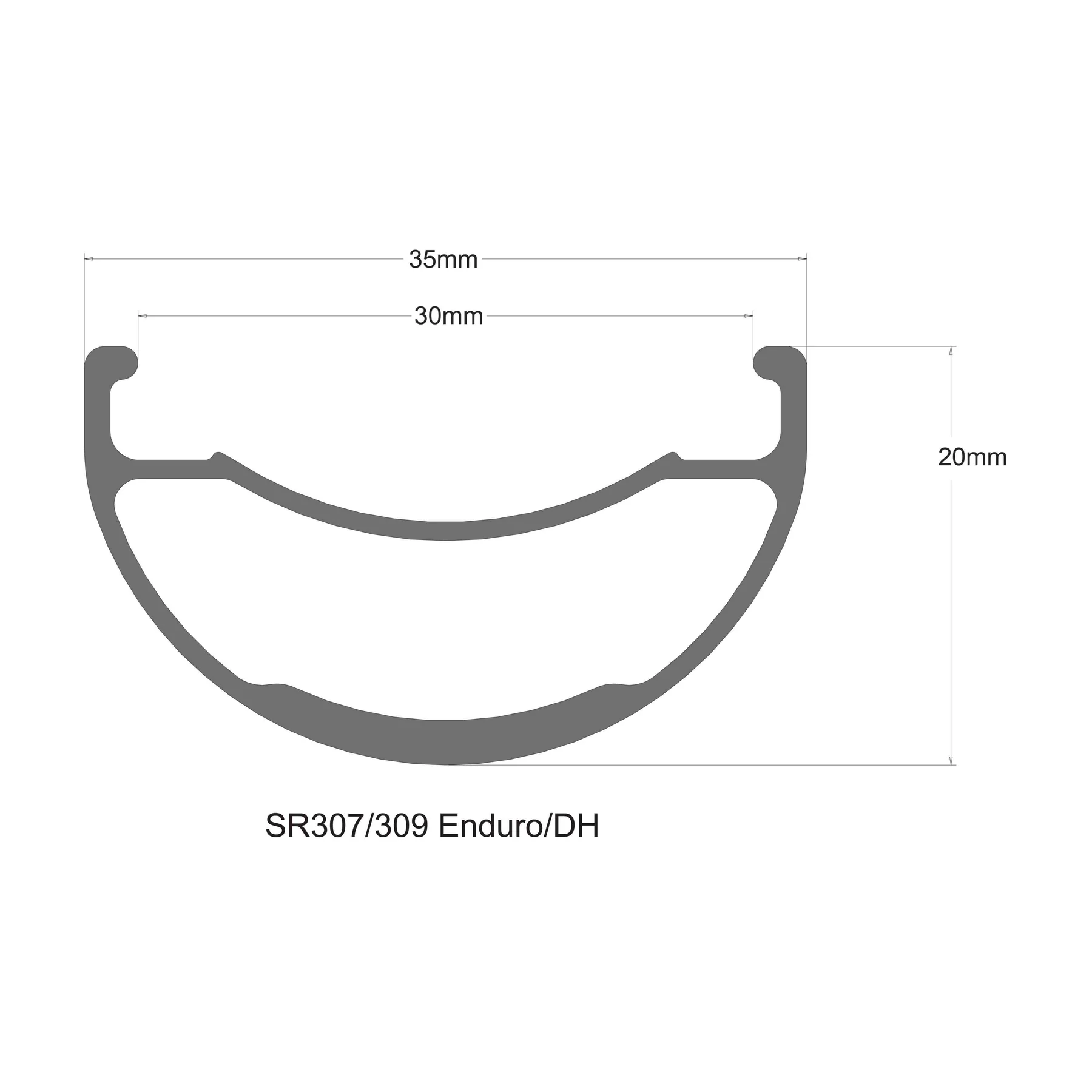
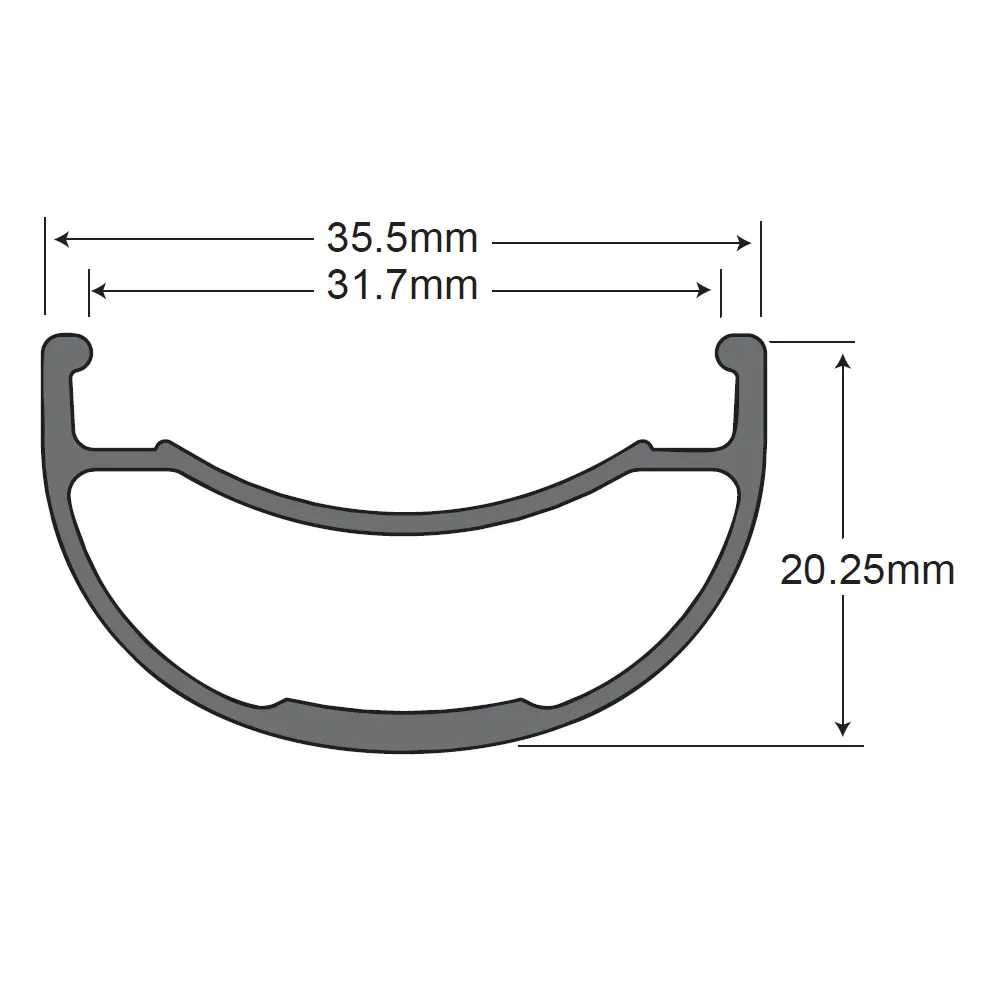
Adventure touring means carrying gear, and rough developing-world roads place immense multi-directional stress on spokes, nipples, and rim beds. Leveraging the inherent vertical compliance of aluminum alloys, modern rim options—such as the internal-ribbed Jetset AR25 and AM30, or welded Sunringle SR309 and SR329 options—offer fantastic internal widths. These pair seamlessly with high-volume tires to absorb harsh trail chatter, reduce rider fatigue, and resist pinch flats.
3. Peace of Mind on Remote Expeditions
When you are hundreds of kilometers away from civilization, psychological comfort matters. Knowing that your wheels are built on tough, dependable alloy means you spend less time worrying about structural failure and more time soaking in the culture, the landscapes, and the adventure.
Ready to Build Your Next Adventure Wheelset?
Whether you need rim brakes, quick-release axles, dynamo lighting integration, or custom spoke configurations, we can design a wheelset tailored specifically to your touring frame and destination.
Contact us today to discuss your custom alloy adventure build!
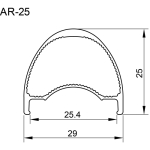
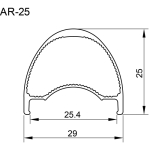
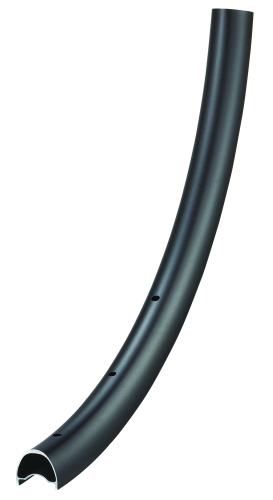
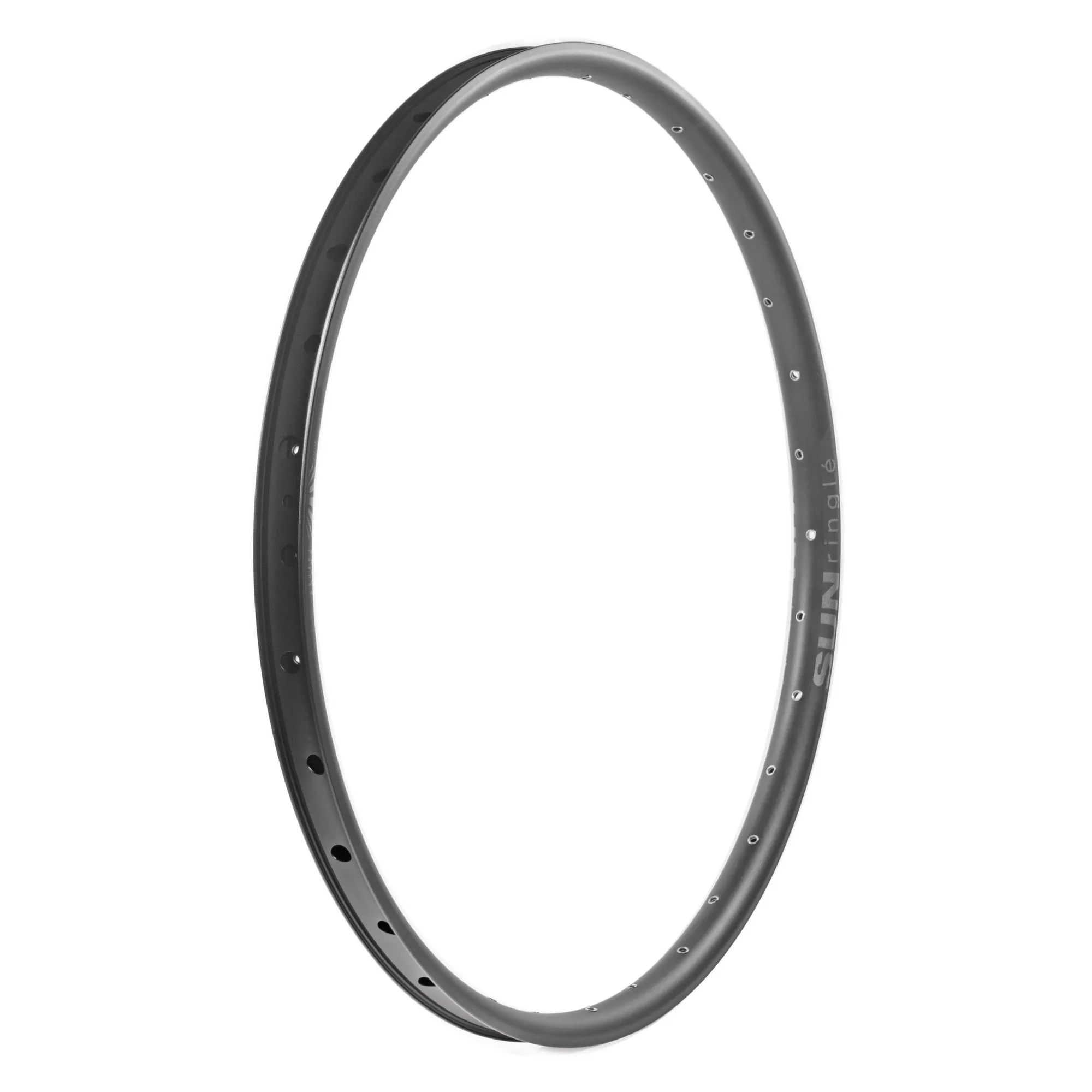
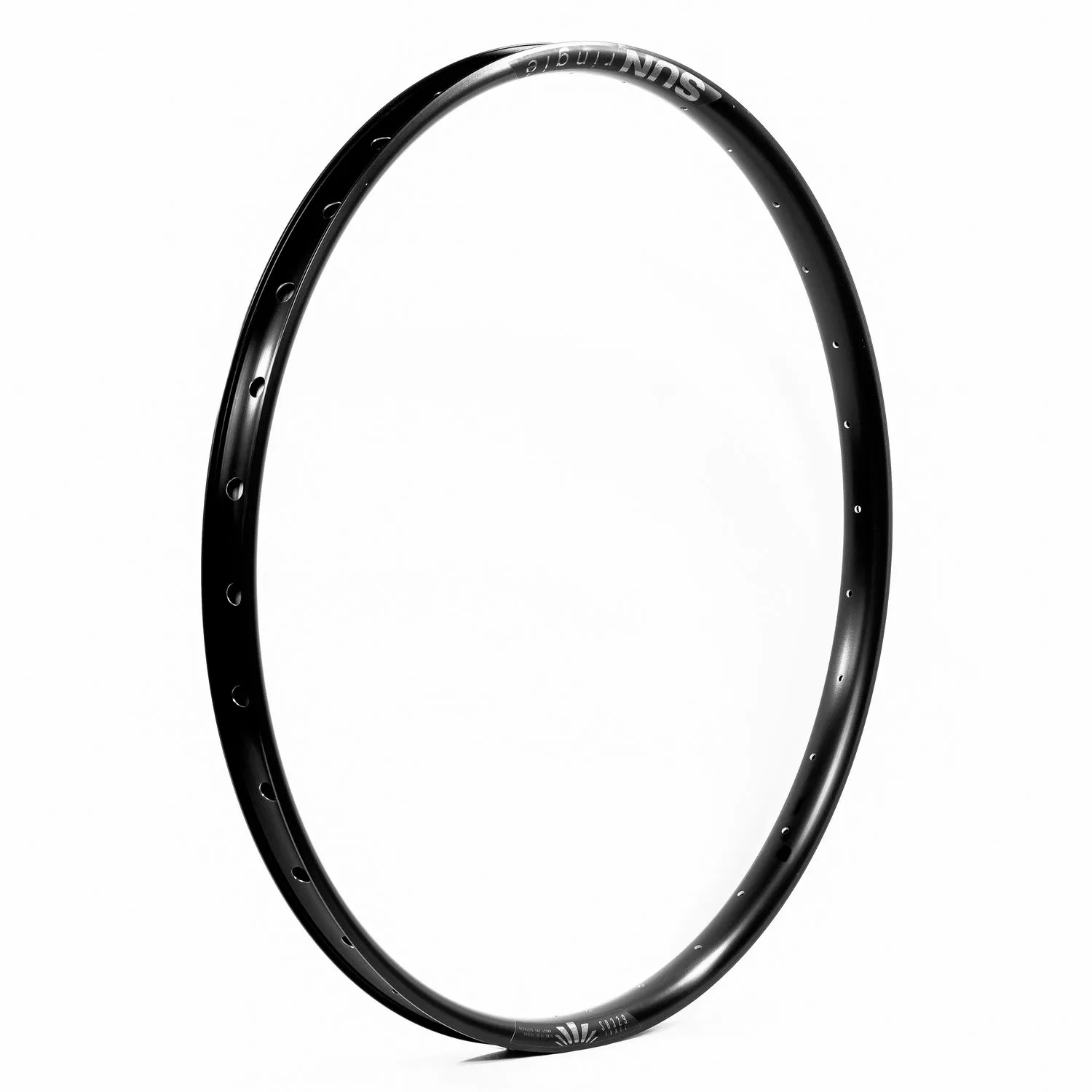
Jetset rim with internal ribs
Engineering Resilience: The Real-World Advantages of Independent Alloy Rims
When planning an expedition through demanding terrain—whether tackling remote tracks or navigating rough outback trails—your choice of wheels can make or break the journey. While carbon fiber dominates lightweight racing headlines, high-grade alloy rims remain the gold standard for adventure cycling, bikepacking, and heavy-duty touring. Among these, precision-engineered options like the Jetset AM30 leverage an advanced design feature: internal ribbing.
What is Internal Ribbing?
Internal ribbing refers to structural partitions or reinforcing walls built directly into the hollow extrusion profile of the rim bed. Rather than relying solely on the outer walls and sidewalls to handle stress, an internal rib braces the rim cavity from within, creating multiple load-bearing chambers that distribute high-impact forces evenly across the entire structure.
Key Advantages of Rims with Internal Ribs
- Exceptional Structural Strength and Impact Resistance: In remote regions far from the nearest bike shop, reliability is everything. When subjected to a heavy, high-energy impact against a sharp rock under a loaded touring rig, standard rims can dent, buckle, or split. Internal ribbing reinforces the rim bed from within, providing superior multi-directional impact resistance against sharp rocks, roots, and rough terrain.
- Balanced Weight and Rotational Efficiency: Adding strength traditionally means adding weight. However, intelligent internal architecture allows manufacturers to reinforce critical stress zones without unnecessarily piling on dead weight or inflating rotational mass on long climbs, preserving climbing efficiency while delivering downhill durability.
- Pinch-Flat and Chatter Resistance: Bikepacking and touring rigs carry substantial gear, placing immense multi-directional stress on tires and rims. When paired with high-volume tubeless tires, the internal-ribbed bed architecture helps absorb high-frequency chatter and provides robust support against harsh bottom-outs and pinch flats on remote expeditions.
Real-World Rider Feedback
The true test of any custom wheel build is how it performs out on the road under a real rider. Recent feedback from a rider rolling on a custom alloy build highlights exactly what proper compliance and design achieve:
“Just wanted to say I am very pleased with my new AM30 wheels they are very compliant & smooth.”
That seamless balance of vibration damping, compliance, and rugged structural integrity is precisely what targeted component selection delivers—proving that you don't need a famous legacy logo to achieve elite ride quality.
Sun Rim
The Strength in the Seam: Why 6069 Alloy and Welded Joints Define Ultimate Touring Rims
When you are thousands of kilometers away from the nearest bike shop on a heavily loaded bikepacking expedition, every component of your wheelset undergoes relentless multi-directional stress. While rim width and spoke count are critical, the literal foundation of your wheel—the alloy composition and how the rim joint is fused—determines whether your setup survives a brutal outback washboard or suffers catastrophic failure.
For rugged adventure touring, upgrading to 6069 alloy paired with a welded rim join (as seen on heavy-duty options like the Sun SR309 and Sun SR329) offers a massive performance and durability leap over standard budget rims.
1. The Power of 6069 Alloy: Superior Strength-to-Weight
In bicycle manufacturing, alloy grades dictate how much abuse a rim can take before denting, cracking, or failing. Many standard rims use 6061 aluminum, but high-end adventure rims step up to advanced formulations like 6069-T6 alloy.
- Higher Tensile and Yield Strength: 6069 alloy features significantly higher ultimate tensile and yield strength compared to traditional 6061 aluminium. This means the rim bed can resist heavy impacts against sharp rocks under a loaded touring rig without permanently buckling or splitting.
- Optimized Weight Savings: Because the material is inherently stronger, manufacturers can engineer structurally rigid rims—such as the 545g Sun SR309 (30mm inner width) and 515g Sun SR329 (32mm inner width)—without adding unnecessary dead weight. You get heavy-duty impact resistance while keeping your rotational weight manageable on long climbs.
- Resilience Over Brittleness: Unlike carbon fiber, which tends to shatter catastrophically upon high-energy impacts, high-grade 6069 alloy absorbs heavy hits by deforming rather than failing instantly, giving you a much higher safety margin in remote terrain.
2. Welded vs. Pinned Joints: Eliminating the Weak Link
The weakest point of any bicycle rim is historically the seam where the extruded aluminum profile is joined into a hoop. There are two primary methods used in the industry: pinned joints and welded joints.
- The Limitation of Pinned Joints: Budget and mid-tier rims are typically joined using small internal steel inserts (pins) pressed into the extrusion ends. Under thousands of high-tension cycles from spokes and heavy loads, pinned seams can develop play, creak, or pull out of alignment over time.
- The Structural Integrity of Welded Seams: Premium alloy rims utilize a welded join, where the two ends of the extrusion are thermally fused together into a seamless single piece of metal. Once welded, the seam area is machined flat to ensure an impeccably smooth brake track or tubeless interface.
- True Roundness and Equal Spoke Tension: A welded joint eliminates weak spots in the hoop's structural rigidity. This allows for more uniform spoke tension all the way around the wheel, preventing tight or loose spots that can throw a wheel out of true during rough touring descents.
The Ultimate Off-Grid Investment
When building a custom touring or bikepacking wheelset, choosing high-modulus 6069 alloy and a welded joint ensures your rims can handle massive gear loads, high tire pressures, and punishing tracks without missing a beat. Paired with wide tire profiles, they offer the ultimate peace of mind for riders heading off the beaten path.
The Big-Brand Tax: Why Chasing Famous Rim Labels Can Mean Settling for Less Innovation
When riders begin shopping for a custom wheelset, a familiar pattern usually unfolds. Walk into almost any bike shop or scroll through online forums, and the conversation inevitably gravitates toward legacy European component labels. Decades of stellar marketing have cemented these big-name brands as the default gold standard in the consumer's mind.
However, looking past the badge reveals a different reality. Many riders are paying a steep "brand tax" for mainstream labels, often overlooking the fact that much of the volume production for these legacy giants is outsourced. More importantly, sticking strictly to a famous nameplate often means missing out on cutting-edge metallurgy, advanced extrusion profiles, and genuine performance value.
Here is why stepping outside the big-brand box—and choosing specialized, high-performance alternatives—yields a superior wheelset.
1. The Illusion of Exclusive Origin
Consumers frequently assume that buying a major European-labeled rim means getting a product hand-crafted in an alpine workshop. In reality, the global bicycle industry relies heavily on specialized manufacturing hubs. Crucially, partnering with dedicated physical manufacturers like Jetset and Sun—both of which operate their own real, dedicated production factories rather than acting as mere marketing companies or rebadging shells—ensures uncompromising metallurgical quality control. While massive heritage brands often rely on conservative catalog shapes and outsourced supply chains to maximize global uniformity, these dedicated manufacturers push the envelope with advanced aluminum extrusion and welding technology.
2. Paying More for a Decal, Not Better Performance (and the Power of Transparency)
When a customer insists on paying extra for a heavily marketed global brand name, a substantial portion of that premium goes into global distribution overhead, marketing campaigns, and brand licensing.
Some boutique wheel builders unfortunately choose to rebadge generic OEM rims with their own house-name decals, creating a false sense of exclusivity. But true performance relies on complete transparency—sharing the exact pedigree, alloy grade, and engineering data of the components rather than hiding behind marketing stickers. When you redirect your budget away from big-brand markups and into actual raw materials and engineering—such as upgrading to advanced 6069-T6 aluminum alloys, seamless welded joints, or structurally reinforced internal ribbing—you get a fundamentally tougher, more advanced product. You aren't downgrading your ride quality by skipping the famous logo; you are upgrading the physical substance of what keeps you rolling.
3. Purpose-Built Innovation vs. Mass-Market Safe Choices
Independent rim manufacturers competing directly on technical merit cannot afford to rest on their laurels. To stand out, they push the envelope where major brands play it safe:
- Natural Compliance via Material Science: Because aluminum alloys possess a lower modulus of elasticity compared to carbon composites, alloy rims naturally offer superior vertical compliance, allowing them to flex and absorb high-frequency chatter without sacrificing lateral stiffness or structural integrity.
- Advanced Alloy Formulations: Utilizing high-yield 6069 alloys that resist denting and cracking under heavy touring loads far better than standard 6061 alternatives.
- Internal Architecture: Incorporating precision internal ribbing to manage multi-directional shock absorption and resist pinch flats on rough terrain.
- Seam Integrity: Ensuring thermal fusion and precision-machined welded joins that eliminate the weak spots common in lower-tier pinned joints.
The Smart Rider's Trade-Off
True custom wheelbuilding is about matching materials to the demands of the real world, not about collecting brand-name stickers. When you choose an expertly engineered, high-performance alternative over a mainstream legacy label, you are investing your money where it actually matters: in superior strength, smart weight savings, and unmatched off-grid reliability.
Sometimes, paying for the "downgrade" away from a famous label—and refusing deceptive rebadging in favor of open, honest engineering—is the smartest upgrade you can make for your bike.
The B'Spoke Build Protocol
Every hand-built wheel that leaves our workshop relies on a rigorous, uncompromised mechanical protocol. While modern factory wheels are rushed through automated assembly lines, a true high-performance wheel requires absolute precision at every single stage of production—from wire preparation to organic stabilization.
Below is the core three-step engineering blueprint governing our custom builds.
1. Phil Wood Spoke Cutting & Cold-Forging
We use the legendary Phil Wood Spoke Cutting and Threading Machine to custom-cut and thread every spoke in-house.
- The Physics of Rolled Threads: Bicycle spoke threads must never be cut by removing material, which creates structural weakness and stress risers. The Phil Wood machine uses precision dies to cold-forge the metal, displacing and compressing the grain structure to form clean, uniform threads.
- Beyond the Standard 9mm Thread: While standard commercial spoke machines roll a typical 9mm thread length, our in-house setup extends this to a deep 10mm thread bed. Because high-grade stainless steel spokes can elongate by up to 2mm under high operational tension, our extended 10mm thread profile ensures the nipple can track fully down the spoke without ever running out of thread or bottoming out.
2. Specialized Spoke Preparation & Chemistry
We completely reject improper assembly habits, such as leaving threads completely dry (leading to quick tension loss) or using permanent threadlockers like Loctite 263 / superglue (which seizes nipples and makes future truing impossible). Instead, our thread chemistry adapts to the build type:
- Wheelsmith Spoke Prep (Pro Builds): For high-end performance builds using lightweight spokes (such as Sapim CX-Ray), we apply a custom-thinned formulation of Wheelsmith Spoke Prep. Applied via capillary action and dried under natural sunlight, it leaves a rubbery, elastic mechanical barrier that acts as both a gentle thread-locker and a vital lubricant. This lubricant completely eliminates destructive spoke wind-up during tensioning while allowing precise multi-day adjustments.
- DT Pro Lock Fluid Integration (High-Vibration Builds): For configurations requiring a permanent anaerobic seal, we utilize DT Swiss Pro Lock nipples, executing the entire tensioning and stabilization structure while the chemical compound remains wet.
3. Rejecting Hydraulic Shortcuts: The Multi-Day Stress Relief
Many commercial and boutique builders rely on massive hydraulic pre-stressing presses, slamming tons of sudden, violent pressure onto a freshly laced wheel to instantly force components into place. We completely reject this destructive factory shortcut:
- Protecting the Components: Slamming a carbon rim with violent hydraulic shock introduces microscopic fractures into the epoxy resin matrix around the spoke holes, weakening the rim bed before it ever hits the road. Furthermore, shunting tons of shock compresses stainless steel spoke past its elastic limit, creating hidden stress fractures that drastically shorten fatigue life.
- Natural Material Creep Relaxation: Instead of forcing materials into submission with raw power, we rely on the natural physics of material creep relaxation. Once laced, the wheel is brought to tension and left to rest on a rack for a 24-hour stabilization cycle. This allows the carbon rim bed to naturally relax under load and lets the ball head nipples mate flawlessly with the 4D drilled carbon holes.
- Repeated Stabilization Cycles: We re tension, true, and repeat this resting process over multiple days until the spoke tension is completely and permanently locked in.
B'Spoke Wheel Warranty & Guarantee
When you ride a custom wheelset built by Andy Choy, you aren’t paying for corporate marketing insurance or mass-produced factory shortcuts. You are investing in a decades-proven, zero-compromise engineering
- Standard Wheelsets: Features a 120 kg rider weight limit. Rather than testing our custom builds on a featherweight 60 kg pro rider, we torture-test our lightest wheels in the field using a dedicated 120 kg test pilot, ensuring an unmatched safety and durability mar
gin. - E-Bike Wheelsets: Features a 130 kg total system weight limit (combined rider and bike mass). Because heavy e-bikes subject components to immense sustained motor torque and high baseline vehicle weight, we apply this specific threshold to guarantee long-term structural integrity under high-power motor assis
tance.
1. Lifetime "No Broken Spoke" & "Not Out of True" Guarantee
We guarantee every custom wheelset against spoke breakage and tension loss for its entire operational lifespan under our specified weight limits (120 kg sta
Note: Warranty service is Return-To-Base and requires the tyre and tubeless sealant to be completely removed beforehand.
2. 3-Year Carbon Rim Warranty & Tyre Pressure Compliance
Every premium carbon rim structural matrix is fully backed by a 3-year structural warranty against manufacturing defects, provided the wheelset is operated within correct technical parameters.
- Tyre Pressu
re & Seating Limits: When mounting tubeless tyres, initial inflation to seat the bead must never exceed 10% to 15% above the calculator-recommended target pressure. Once the tyre bead audibly seats into the rim retention shelf, the pressure must be immediately released down to the exact calculator-recommended riding level. - Mandatory Compatibility & Abort Rule: Tubeless systems rely on strict dimensional tolerances. If a tyre bead fails to seat properly under normal installation pressures, the tyre is incompatible and installation must be aborted immediately. Forcing an unseated bead with excessive pressure (such as attempting to inflate up to 140 PSI) creates extreme radial stress and is a severe safety hazard.
- Exclusions: Warranty coverage strictly excludes damage caused by exceeding pressure limits, failing to reduce pressure after bead seating, forcing incompatible tyre/rim combinations, or running unseated bead explosions.
- Calculated Pressure Standard: Riders must determine operational and seating pressures exclusively by utilizing trusted tools such as the Silca or Zipp Tyre Pressure Calculators, matching the exact combined weight of the rider, bike, and gear alongside the true measured tyre width.
3. Lifetime Half-Price Crash & Accident Replacement (Labour-Free)
Real-world riding carries real-world risks. If you crash, case a jump, or suffer a severe accident outside of standard warranty conditions that damages or breaks a rim, we stand by our ri
- Half-Price Rim: We will replace the damaged rim at 50% of the retail price.
- Zero Labour Cost: We will perform the complete wheel rebuild entirely labour-free.
4. Hub Warranty
- House-Brand Hubs: Fully covered by a 3-year warranty against manufacturing and structural defects. Bearings are classified as normal wear-and-tear items and are excluded from warranty coverage.
- Third-Party Hubs: Covered directly in accordance with the original manufacturer's specified warranty windows (e.g., DT Swiss, Hope, etc.), backed fully by our local supply line.